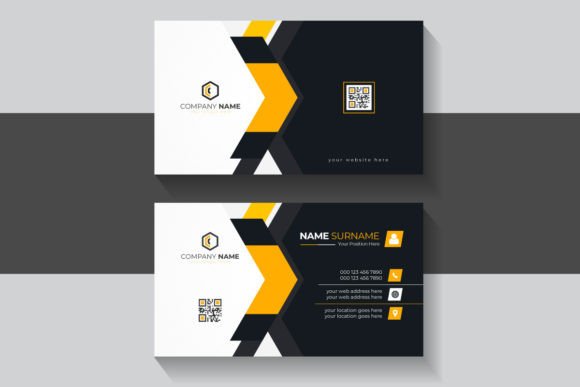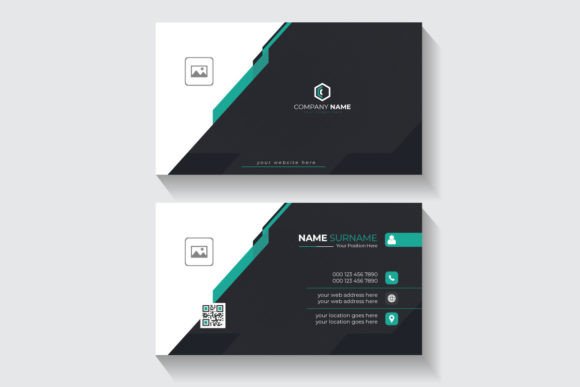
The Precision of Modern Black Geometric Design
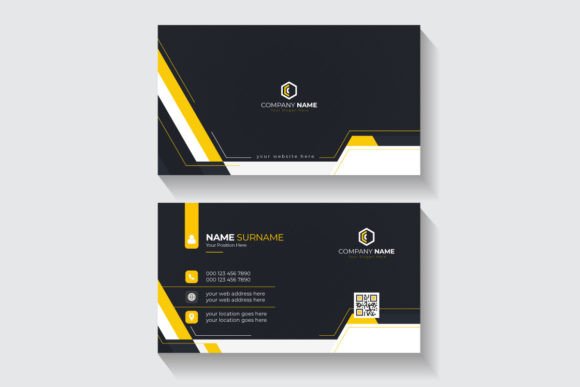
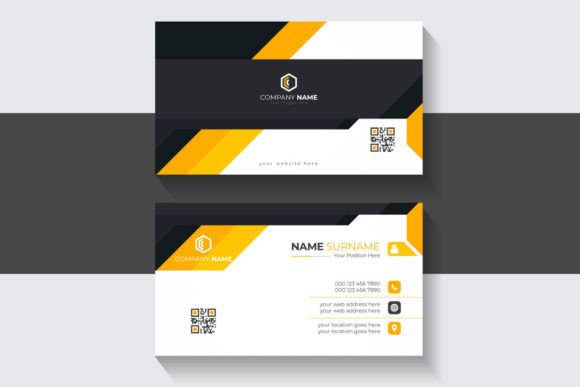
In a market saturated with organic brush strokes, vintage textures, and whimsical illustrations, there is a distinct power in sharp, mathematical precision. If you have ever felt that your brand materials lack a certain "edge"—literally and figuratively—it might be time to look at how geometry influences perception. A Modern Black Geometric Business Card is more than just a piece of paper with contact details; it is a statement of intent. It signals to potential clients and partners that you value structure, clarity, and contemporary aesthetics. This specific design approach relies on the interplay of shapes, lines, and negative space to create a visual identity that is impossible to ignore.
For the entrepreneur or designer looking to make an immediate impact, the allure of geometric patterns lies in their universality. They do not rely on trendy filters or dated textures. Instead, they offer a timeless framework that supports, rather than overwhelms, your core message. When you utilize a template that prioritizes clean lines and a monochromatic palette, you are building a foundation that can support a variety of brand voices, from tech startups to high-end consultancies.
Decoding the Visual Language
What exactly makes a black geometric design so effective in modern branding? It comes down to how the human eye processes order. We are naturally drawn to patterns and symmetry. When you present a business card that uses geometric framing—perhaps a sharp triangular corner element or a sleek grid pattern in the background—you are subconsciously telling the viewer that your business is organized and reliable.
The choice of black as the primary color is equally strategic. Black represents authority, sophistication, and the unknown. In the world of modern typography and design, black provides the highest possible contrast, ensuring that your typography pops off the surface. However, "black" is rarely just one shade. A high-quality design asset will often utilize subtle variations in tone to create depth. This might involve a matte background with gloss finish elements, or dark charcoal shapes against a true black backdrop. This tonal variety keeps the design from feeling flat while maintaining the serious, professional tone that black implies.
Furthermore, the geometric aspect allows for creative use of negative space. By utilizing sharp angles and distinct sections, the design naturally creates "zones" for information. This prevents the common issue of cluttered business cards where logos and text fight for dominance. Instead, the geometry acts as a grid system, guiding the eye from the logo to the name, and finally to the contact information with effortless flow.
Beyond the Card: Adapting the Aesthetic
While the asset in question is a business card, viewing it in isolation is a mistake for any serious creative. A well-designed Modern Black Geometric Business Card template serves as a seed for an entire brand identity. If this visual language resonates with your audience, it should be the thread that ties all your marketing materials together.
Consider the versatility of this aesthetic across different mediums:
- Social Media Graphics: The clean, dark background is perfect for Instagram or LinkedIn posts. Text placed over geometric black shapes remains highly readable, solving the common problem of legibility over busy photos.
- Packaging Design: If you sell a physical product, this design style translates beautifully to boxes and labels. It conveys a sense of "premium" quality, suggesting that the product inside is curated and valuable.
- Web Design & Digital Products: Using these geometric elements as dividers, header backgrounds, or button styles on a website creates a cohesive user experience. It feels native to the digital environment.
- Editorial Layouts: For bloggers or publishers creating PDF lookbooks or media kits, these shapes provide excellent containers for pull quotes or statistics, adding a professional polish to the layout.
The goal is to move away from "matching" and toward "harmonizing." You don't need every piece of marketing to look identical, but they should share the same DNA. The sharp angles and clean lines found in the business card can be softened slightly for an invitation or emphasized for a poster, but the core geometric language remains the same.
Practical Workflow and Customization
One of the biggest hurdles in design is the gap between a concept and a finished file. This is where the technical specifications of your design assets become vital. This specific template is built with a professional workflow in mind, utilizing RGB Color Mode and a generous size of 1200x800 pixels. While this resolution is optimized for digital presentation—making it perfect for showcasing your portfolio on Behance or Dribbble, or for use in email headers—the vector-based nature of the underlying Illustrator EPS Files ensures scalability.
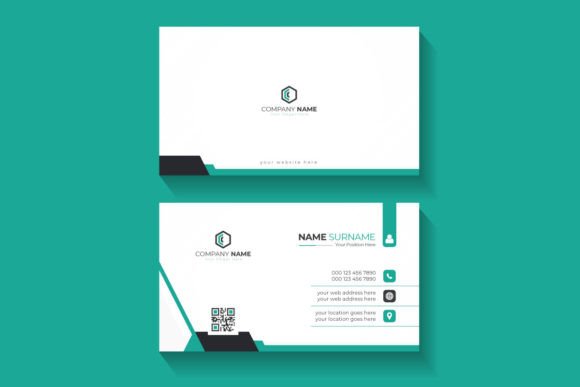
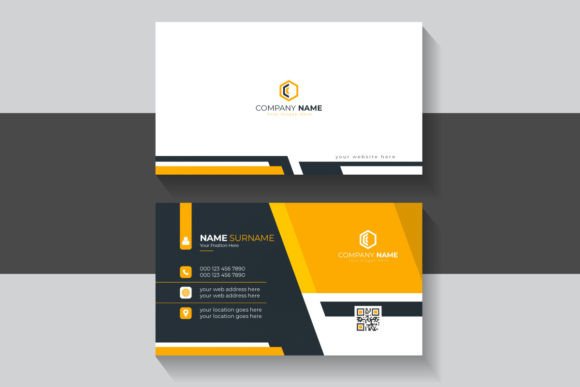
For the uninitiated, "vector" means the graphics are mathematically calculated rather than made of pixels. This allows you to resize the geometric shapes to fit a billboard or a pen without losing quality. Because the files are fully editable, you are not locked into the black color scheme if your brand guidelines differ. You can easily swap the black for a deep navy or charcoal grey, or introduce a neon accent color to the geometric lines to match your specific logo palette.
The inclusion of free fonts is a practical bonus that should not be overlooked. Typography licensing can be a minefield for small business owners. By utilizing fonts that are included for commercial use, you avoid legal headaches later on. However, the design is also built to accommodate other typefaces. If you have a specific sans serif font that you already use for your headers, you can drop it into the template to see how it interacts with the geometric shapes. Often, a geometric sans serif pairs perfectly with these types of designs because the letterforms mimic the shapes of the background graphics.
Matching Typography to Geometric Goals
When working with a strong geometric background, your choice of typography becomes a balancing act. You want the text to stand out, but not clash. Here are a few practical observations for pairing text with this style of design:
- Avoid Ornate Scripts: While a script font can be beautiful, it often conflicts with the rigid structure of geometric lines. The curves of the letters can look messy against the sharp angles of the background.
- Embrace the Sans Serif: A clean, bold sans serif font is the natural partner for geometric design. It shares the same modern, uncluttered philosophy. Look for fonts with uniform stroke widths to maintain that sense of order.
- Use Serif for Contrast: If you want to add a touch of elegance or tradition to the modern geometry, a high-contrast serif font can work well. The thick and thin strokes of the serif provide a nice visual break from the uniformity of the geometric shapes.
- Legibility is Key: Because geometric patterns can be visually "busy" (even if they are clean), ensure your font size is sufficient. Do not crowd the shapes. Let the negative space work for you.
Ultimately, the Modern Black Geometric Business Card is a tool for clarity. It strips away the unnecessary flourishes and focuses on delivering information in a structured, visually pleasing way. Whether you are a freelancer pitching to a new client or a corporation refreshing your image, this style of design ensures that your first impression is one of competence and modern sophistication. By understanding the principles behind the design—contrast, structure, and scalability—you can turn a simple template into a powerful engine for your brand’s visual communication.