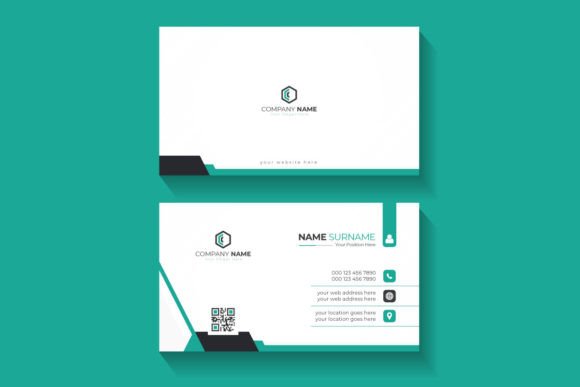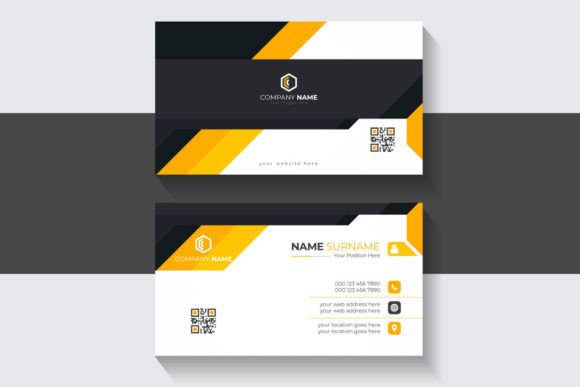
Modern Branding with Abstract Business Card Design
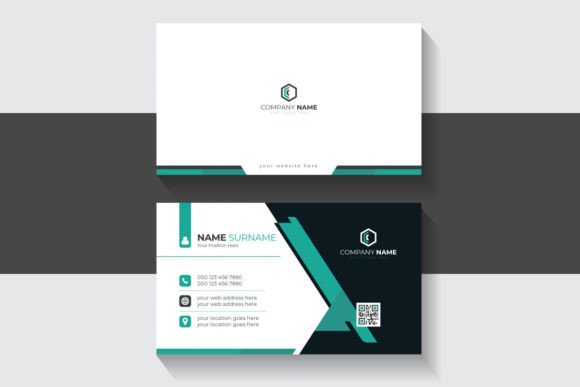
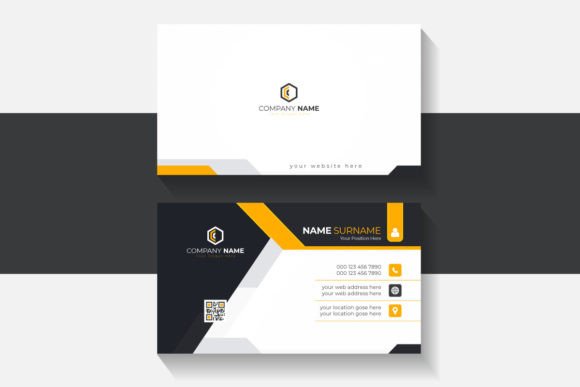
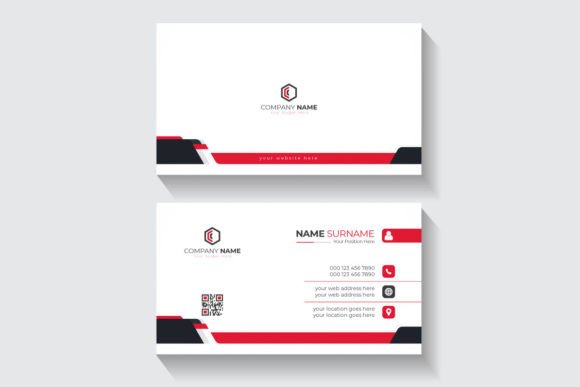
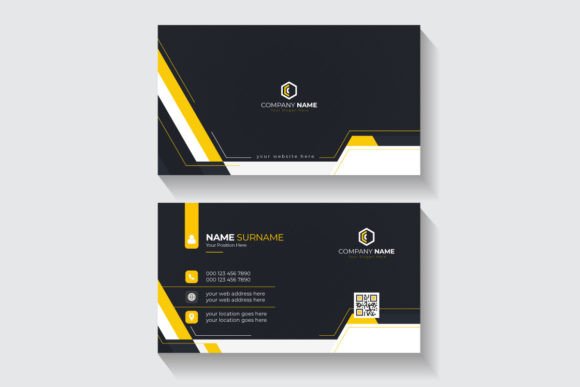
First impressions are built in seconds, and for most businesses, that first handshake happens on paper—or on a screen. A thoughtfully crafted business card does more than share contact information; it communicates personality, values, and professionalism before a single word is spoken. If you've been searching for a design asset that bridges creativity with corporate polish, a professional abstract business card template might be exactly what your next project needs.
Why Abstract Design Works for Modern Professionals
Abstract visuals have a unique advantage in branding. They don't rely on literal imagery or stock illustrations that thousands of other businesses might already be using. Instead, they use shapes, color gradients, and compositions that evoke emotion and curiosity. When someone receives a card with bold geometric forms or fluid, organic patterns, it lingers in memory far longer than a plain white card with basic text.
This particular template leans into that power. Designed at 1200×800 pixels in RGB color mode, it's built for both digital presentations and high-quality print output. The abstract elements are versatile enough to suit a tech startup, a creative agency, a freelance photographer, or even a boutique consultancy. There's no industry lock-in—just clean, contemporary design that adapts to whoever uses it.
What's Inside the Template and Why It Matters
One of the most practical aspects of this package is its editability. Every object, color, and line of text can be modified, which means you're not stuck with someone else's color palette or font choices. The included Illustrator EPS files give you full vector control, so scaling up for posters or down for social media avatars won't cost you image quality. Paired with ready-to-use images, you have a complete design toolkit rather than a half-finished starting point.
The use of free fonts is another thoughtful touch. Many premium font packages require separate licensing for commercial use, which can catch small business owners off guard. Here, the typography is included without additional cost, making it easier to roll out your new brand identity across multiple channels without worrying about licensing headaches. Whether you're building a logo design system, preparing packaging design mockups, or creating marketing assets for a product launch, the font integrates smoothly into your broader visual language.
Practical Applications Across Industries
Think about the last time you attended a networking event or a trade show. The cards that stood out weren't necessarily the most expensive—they were the ones that felt intentional. A professional abstract business card template gives you that intentionality without requiring a custom design budget. Here's where it shines in real-world use:
- Brand Identity Systems: Use the abstract motifs as a foundation for your entire visual identity. Pull colors from the card design into your website, social media graphics, and editorial layouts for a cohesive look.
- Digital Presentations: At 1200×800 pixels, the template slides naturally into pitch decks, webinar slides, and online portfolios. The RGB color mode ensures vibrant, screen-accurate colors every time.
- Print Collateral: Business cards are just the beginning. The same design language can extend to letterheads, brochures, event invitations, and merchandise like branded notebooks or tote bags.
- Social Media Content: Abstract backgrounds make excellent Instagram story templates, LinkedIn banner graphics, or Pinterest pins. The clean aesthetic pairs well with overlay text and call-to-action buttons.
- Packaging and Product Design: If you sell physical goods, the abstract elements can inform your label design, box graphics, or hang tags—creating a shelf presence that feels curated rather than generic.
Matching Typography to Your Project Goals
Fonts do heavy lifting in any design. They set the tone before someone reads a single sentence. A bold sans serif font signals confidence and modernity. A delicate script font suggests elegance and approachability. The typeface included with this template strikes a balance—professional enough for corporate contexts, yet stylish enough for creative industries.
When customizing, consider your audience. If you're designing for a law firm or financial advisor, lean into the cleaner, more restrained typographic options. If your client is a lifestyle brand or a photography studio, you might experiment with bolder weight variations or pair the included font with a complementary display font for headlines. The key is testing. Print a sample. View it on a phone screen. Ask someone unfamiliar with the project to read it at arm's length. Readability isn't optional—it's the foundation of effective visual communication.
Font pairing is another area worth exploring. The template's primary typeface works well alongside both serif and sans serif companions. Try combining it with a classic serif font for editorial layouts, or pair it with a geometric sans serif for a tech-forward feel. The goal isn't to use as many fonts as possible—it's to create hierarchy and rhythm that guides the viewer's eye naturally.
Building Visual Consistency Without Starting from Scratch
One of the biggest challenges for small business owners and independent creators is maintaining a consistent look across platforms. You might have a beautiful logo but struggle to match it with your email signature, your Etsy shop banner, and your printed materials. A well-structured template solves this by providing a unified design system you can reference and adapt.
Because every element in this package is fully editable, you can extract the color palette and apply it to your website design, pull the layout structure for your blog graphics, or reuse the abstract shapes as decorative elements in your digital products. This kind of visual consistency builds brand recognition over time. People start to associate certain colors and design patterns with your business, and that recognition translates directly into trust.
For content creators and marketers, this is especially valuable. When your YouTube thumbnails, email headers, and printed handouts all share a cohesive aesthetic, your audience begins to recognize your work instantly—even before seeing your name. That's the power of thoughtful design applied systematically.
Commercial Use and Licensing Considerations
Before using any design asset commercially, it's worth reviewing the licensing terms. This template includes files that are ready for commercial projects, which means you can confidently use the designs for client work, product packaging, paid marketing campaigns, and merchandise. The free font inclusion further simplifies the process, eliminating the need to track down separate font licenses for each application.
That said, always double-check the specific license details included with your download. Some templates restrict resale of the raw files themselves, even while allowing unlimited use in derivative works. Understanding these boundaries protects you legally and ensures your investment in quality design assets continues to pay off across future projects.
Final Thoughts on Elevating Your Professional Presentation
A business card is a small canvas, but it carries outsized weight in how your brand is perceived. Choosing a template that balances abstract creativity with professional restraint gives you the flexibility to adapt across industries, audiences, and mediums. With fully editable vector files, included typography, and a modern aesthetic that avoids trendy gimmicks, this kind of design asset becomes a reliable cornerstone for anyone serious about presenting their work with clarity and style.
Whether you're refreshing an existing brand identity or building one from the ground up, investing in quality design templates saves time, reduces guesswork, and ensures your visual communication matches the caliber of the work you actually do. The details matter—and a thoughtfully designed abstract business card is one detail that speaks volumes.