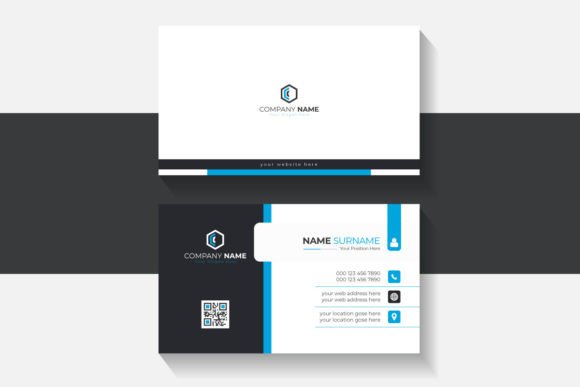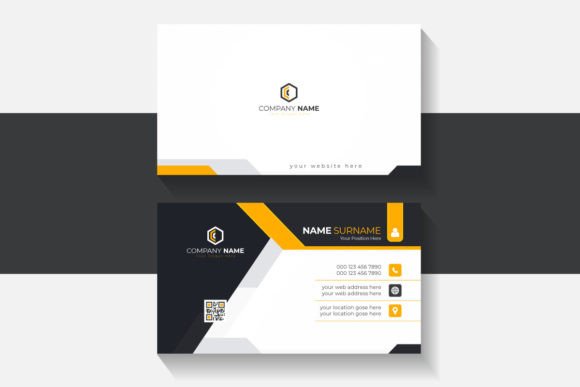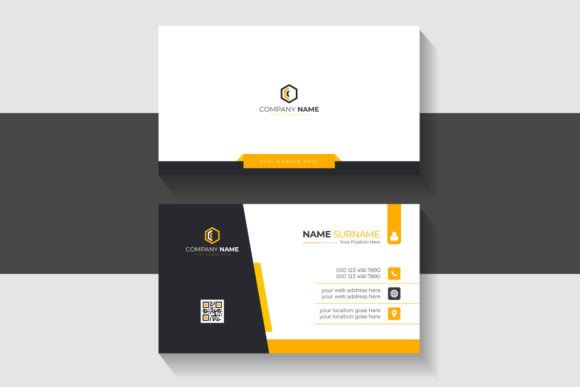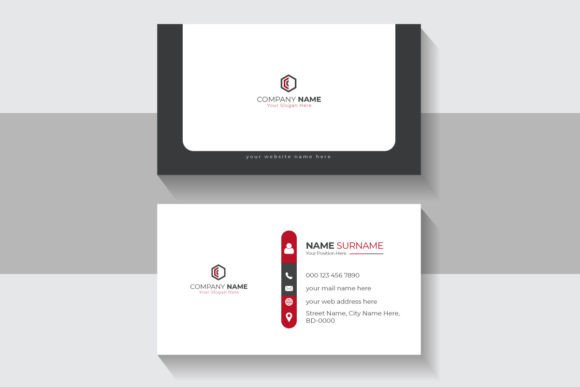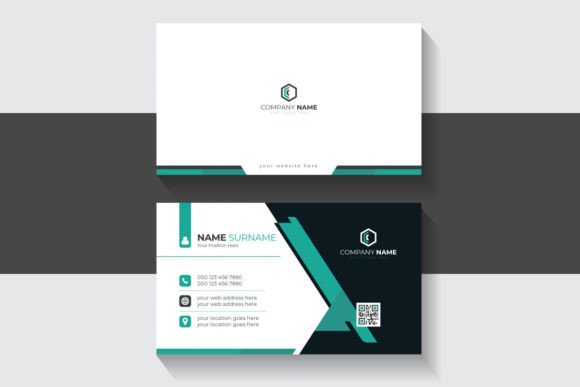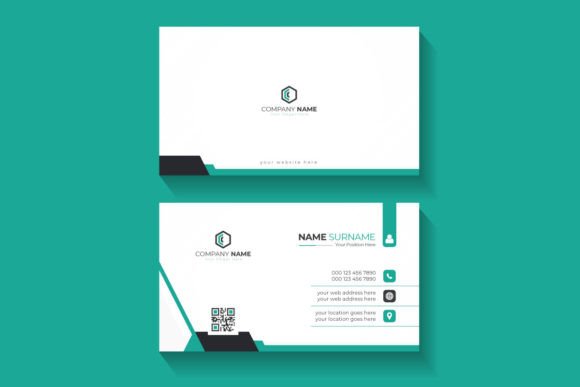
Modern and Simple Business Card Design: Clean Templates for Pros
In a world saturated with digital noise, a tangible business card still carries significant weight. It’s a physical handshake, a quick summary of your brand, and a powerful tool for making a memorable first impression. But not all cards are created equal. The difference between a card that gets lost in a stack and one that sparks a conversation often comes down to design philosophy: modern and simple. This approach prioritizes clarity, intentional whitespace, and sophisticated typography to communicate professionalism and confidence at a glance.
A modern and simple business card design template isn't just a file; it's a strategic asset. It’s built on the principle that less is more, but that "less" must be executed with precision. Think clean lines, a restrained color palette, and a layout that guides the eye effortlessly to the most important information—your name, title, and contact details. This design style avoids clutter, decorative flourishes, and unnecessary graphics that can dilute your message. Instead, it leverages subtle details like letter-spacing, font weight, and strategic alignment to create visual interest and hierarchy.
The Anatomy of an Effective Modern Template
What makes a modern business card template truly useful for a business presentation or everyday networking? It starts with its foundational features. A template designed in RGB Color Mode ensures your on-screen presentations and digital sharing look vibrant and accurate, which is crucial for maintaining brand consistency when you're pitching to clients or sharing your card image via email or social media. The specified size of 1200×800 pixels is a versatile digital format, perfect for slide decks, website banners, and social media graphics, allowing you to showcase your card design in a professional context beyond just printing.
The choice of a free font is a thoughtful inclusion. It removes a common barrier to entry, allowing you to implement the design immediately without additional licensing costs. However, the true value lies in the template being Fully Editable. When all objects, colors, and text are editable within included Illustrator EPS files, you gain complete control. You can swap out the free font for a premium serif or sans serif typeface that better matches your existing brand identity. You can adjust the color values to your exact Pantone or CMYK specs for print. This level of customization transforms a generic template into a bespoke brand asset.
Beyond the Business Card: A Versatile Design Foundation
The beauty of a professional, clean file like this is its adaptability. The core design principles—a strong grid, balanced typography, and cohesive color—can be extrapolated to build a cohesive visual language across all your marketing materials. The same design DNA used for your business card can inform your logo design, ensuring your icon and logotype are harmonious. It can dictate the style of your social media graphics, creating a recognizable look in your Instagram feed or LinkedIn banners.
Consider these practical applications for the design elements within the template:
- Brand Identity Systems: Use the template's color palette and font pairings to create letterheads, email signatures, and presentation decks that feel unified.
- Packaging Design: The minimalist aesthetic translates beautifully to product labels, hang tags, and box design, conveying quality and sophistication.
- Digital Products & Web Design: The clean typography and layout principles are ideal for designing e-book covers, webinar slide templates, or even a website hero section.
- Editorial & Print Collateral: Apply the same grid and type hierarchy to design posters, event invitations, or brochure layouts for a consistent print presence.
Making It Your Own: Practical Implementation Tips
Having a fully editable template is empowering, but a strategic approach will yield the best results. Before you start changing colors and fonts, define your goal. Is this card for a corporate consultancy or a freelance illustrator? The answer will guide your choices.
When selecting a font style, consider personality. A geometric sans serif font often reads as modern, tech-forward, and clean. A transitional serif can add a touch of classic professionalism and trustworthiness. If your brand has a more human, approachable vibe, a subtle script or handwritten font could be used sparingly for a name or tagline. The key is font pairing—combining a serif with a sans serif, or a display font with a neutral body font—to create visual interest without chaos. Test your pairings on the actual template to see how they interact with the layout's whitespace.
Readability is non-negotiable. Even the most beautiful typeface fails if contact information is hard to read at a small size. Ensure your name and key details have sufficient contrast against the background and are set in a legible font weight. Print a test copy at actual size to check for clarity. Finally, remember that while the template's included font is free for use, always double-check the licensing if you plan to use it in commercial projects like merchandise or digital products you sell. For complete peace of mind, consider investing in a commercial font license for your primary brand typeface.
Ultimately, a modern and simple business card design is more than an aesthetic choice; it's a communication tool. It tells your audience that you value clarity, professionalism, and thoughtful design. By starting with a robust, editable template and applying these strategic considerations, you can create a powerful first impression that seamlessly extends into every facet of your brand's visual communication, from a handshake to a full-scale marketing campaign.