The Warmth of Movement: Using Abstract Orange Backgrounds in Design
There is an immediate, visceral reaction to the color orange. It commands attention without the aggressive urgency of red, and it offers a warmth that yellow often misses. When you combine that energy with the fluidity of modern design—specifically the trend of overlapping waves and gradients—you get a visual asset that feels both contemporary and timeless. If you have been scrolling through design marketplaces or stock libraries lately, you have likely noticed the rise of the abstract orange overlapping background. It is more than just a splash of color; it is a design solution that solves the problem of static, boring visuals.
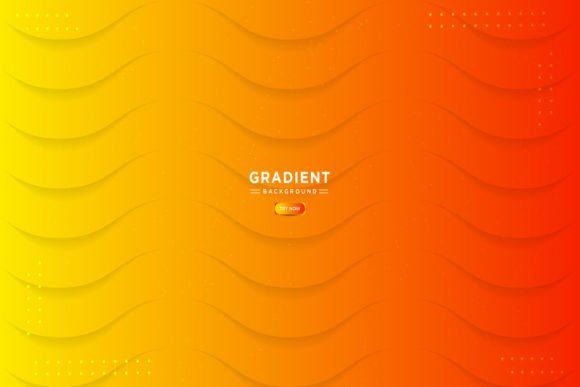
For designers, entrepreneurs, and content creators, finding a background that works across multiple platforms without feeling repetitive is a constant struggle. We need assets that can anchor a website header one day and look stunning on a printed flyer the next. The "Abstract orange overlapping wave layer background" is a perfect example of a versatile asset. It leverages the "trendy simple fluid color gradient" aesthetic, utilizing soft lines and layered transparency to create depth. This isn't just noise; it is structured visual movement that guides the viewer's eye.
The Psychology of Fluid Motion
Why does this specific style—overlapping waves and gradients—resonate so well with modern audiences? We live in a high-definition world where screens are sharp and pixel-perfect. Paradoxically, this has led to a craving for organic, fluid shapes in design. Rigid geometric grids are giving way to softer curves and "liquid" effects.
The abstract orange overlapping background fits perfectly into this shift. The layering of translucent orange waves creates a sense of depth and 3D space on a 2D plane. It suggests movement and progress. For a brand, this subconsciously communicates innovation and forward-thinking. For a blogger or content creator, it suggests energy and enthusiasm. It is a visual representation of "flow," which is exactly the state of mind we want our audiences to be in when they consume our content.
Beyond the Desktop: Practical Applications
The true value of a professional design asset lies in its adaptability. While a 1200x800 pixel size is standard for web headers and digital banners, the utility of a high-quality vector file extends much further. Because these assets are often provided in formats like Illustrator EPS, they are fully editable. This means you aren't just buying a picture; you are buying raw material.
Here is how you can apply this style across various mediums to maintain a cohesive brand identity:
- Digital Branding and Web Design: Use the background for your website’s hero section. The warm orange tones pair beautifully with clean sans-serif fonts, creating a landing page that feels inviting. It works exceptionally well for tech startups, fitness brands, or creative agencies that want to appear approachable yet professional.
- Social Media Strategy: Consistency is key on platforms like Instagram and LinkedIn. By using this background as a base for your quote cards, announcements, or story highlights, you create a recognizable "color signature." The gradient effect ensures that text placed over the waves remains legible, provided you choose the right contrasting color.
- Editorial and Print Layouts: Don't limit this to screens. Imagine a magazine cover or a conference brochure. The overlapping wave effect can break up heavy blocks of text, adding a modern editorial design flair. It acts as a visual palate cleanser, making dense information feel more digestible.
- Merchandise and Packaging: For small business owners looking at packaging design, a subtle variation of this background can make a product box stand out on a shelf. It suggests premium quality. Similarly, for print-on-demand merchandise like phone cases or tote bags, the abstract nature of the art means it appeals to a broad audience without being too literal.
Mastering the Editable Ecosystem
One of the most frustrating experiences in design is downloading a resource only to find it is "flattened" or locked. A professional-grade abstract background should always come with fully editable files. When you have access to the vector source (like EPS or AI files), you unlock total control.
You can manipulate the individual layers of the overlapping waves. Perhaps the default orange is a bit too neon for your specific brand identity? In an editable file, you can shift the hue toward a burnt sienna or a soft peach in seconds. You can adjust the transparency of the layers to make the background lighter, ensuring your foreground text pops.
This level of customization is vital for maintaining visual consistency. Your brand guidelines likely have specific hex codes. A "fully editable" asset allows you to integrate the background seamlessly into your existing ecosystem rather than forcing your brand to adapt to the asset.
Typography and Color Pairing
An abstract orange background is energetic, which means your typography needs to anchor it. If you pair a chaotic background with a chaotic font, the design becomes unreadable. The best approach is contrast in style.
For a modern, tech-forward look: Pair the fluid background with a geometric sans-serif font. The clean, straight lines of the text will contrast with the organic curves of the waves, creating a balanced composition. This is ideal for startup pitch decks or app interfaces.
For an editorial or luxury vibe: Use a classic serif font. The high-contrast strokes of a serif typeface against the soft gradient create a sophisticated tension. This works well for fashion blogs, lifestyle magazines, or high-end event invitations.
Readability is non-negotiable. Because the background features gradients and overlapping lines, placing text directly on the busiest part of the image can be risky. Use the "dead space" within the gradient where the color is most solid. Alternatively, apply a slight darkening overlay or a semi-transparent shape behind your text to ensure the message isn't lost in the movement.
Technical Specifications for Professional Use
When sourcing assets like the Abstract Orange Overlapping Background, technical specs matter more than you might think. A file that looks good on a phone screen might look pixelated on a 4K monitor or a printed poster.
Look for assets that utilize RGB Color Mode if your primary output is digital screens. RGB offers a wider gamut of vibrant oranges and reds that CMYK (print) sometimes struggles to reproduce. However, if you plan to print flyers or business cards, ensure you have the ability to convert the colors to CMYK and adjust the saturation, as bright oranges can sometimes look muddy in print if not handled correctly.
The mention of Free Fonts included in a design bundle is a significant value-add. It removes the headache of licensing. When a designer pairs a specific typeface with the background in the preview, they have already done the guesswork for you. Using that included font ensures that the "vibe" of the preview is achievable for your project. It streamlines the design process, allowing you to focus on content rather than hunting for complementary typography.
Elevating Your Visual Communication
Ultimately, design is about communication. An abstract orange overlapping background is not just decoration; it is a mood setter. It tells your audience that your brand is vibrant, modern, and fluid. It breaks the monotony of standard white backgrounds and generic stock photos.
Whether you are a crafter designing a digital download, a marketer creating a banner for a seasonal sale, or a developer building a landing page, this style of background offers a high return on investment. It is professional, clean, and aligned with current visual trends. By utilizing the editable features and pairing it with strong typography, you can transform a simple design element into a powerful tool for audience engagement. Don't be afraid to experiment with the layers—stretch them, recolor them, and make them yours.