Islamic Ornamental Backgrounds: Blending Tradition with Modern Design
There is a distinct power in visual art that carries centuries of cultural meaning. When you incorporate an Elegant Islamic Ornamental Background into a project, you aren't just adding a decorative layer; you are weaving in a rich tapestry of history, spirituality, and intricate craftsmanship. For designers, business owners, and content creators, these patterns offer a unique aesthetic that balances complexity with profound harmony. The geometric precision and floral motifs found in Islamic art—such as the interlocking stars and sweeping arches—provide a visual language that speaks of order, infinity, and elegance. Whether you are working on a branding package for a luxury product or designing a serene backdrop for a meditation app, understanding how to utilize these assets effectively can transform a standard design into a captivating experience.
The Visual Language of Geometric Harmony
What makes the Islamic ornamental style so enduringly popular in modern graphic design? It is the concept of tawhid, or unity, expressed through geometry. Unlike many Western design traditions that might focus on a central focal point, Islamic patterns often utilize tessellation—repeating shapes that extend infinitely without overlapping or leaving gaps. This creates a sense of endless space and cosmic order.
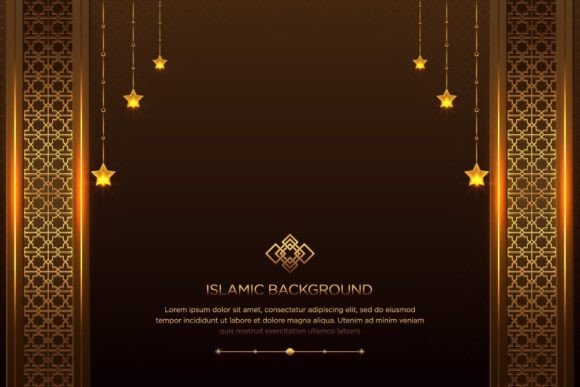
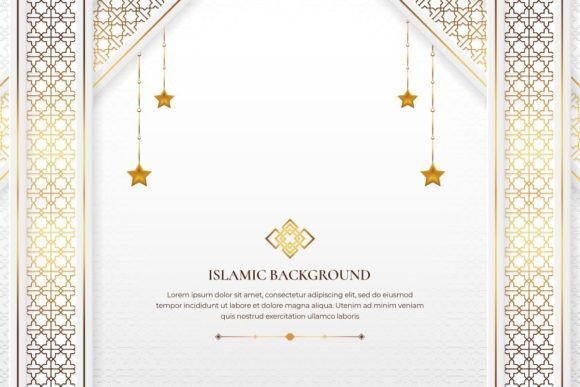
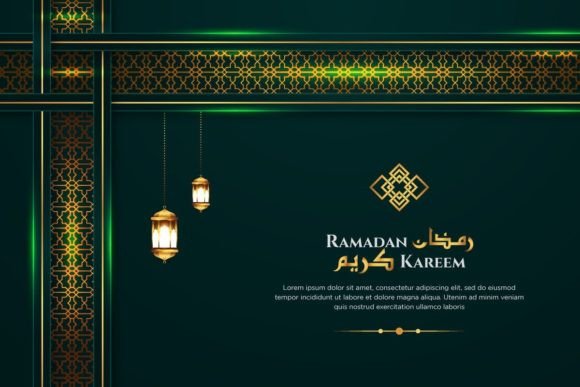
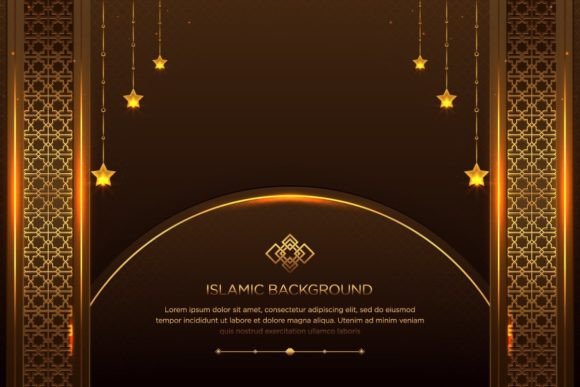
When you download a high-quality asset like the one described here, featuring Arabic Patterns for wallpaper, decoration, cover background, and banners, you are getting more than just a static image. You are accessing a system of visual communication. The specific elements mentioned—decorative hanging stars, circle arch frames, and intricate borders—are versatile tools. The arch, for instance, traditionally frames doorways and windows, symbolizing a threshold between the mundane and the sacred. In a modern design context, this framing device is perfect for drawing attention to a key message or a product image.
Practical Applications for Modern Creators
The versatility of an Elegant Islamic Ornamental Background allows it to cross boundaries between different industries and mediums. Because these files are often delivered in vector formats like EPS, they offer the flexibility required for professional workflows. Here is how different professionals can leverage these assets:
- Branding and Logo Design: For businesses looking to project an image of heritage, luxury, or mindfulness, these patterns serve as excellent foundations. A gold geometric star on a deep emerald background can instantly communicate opulence and tradition.
- Packaging Design: In the food and beverage industry, particularly for products like dates, spices, or high-end teas, these borders add authenticity. They can also be used for cosmetic packaging to suggest exotic ingredients and careful formulation.
- Social Media Graphics: Engagement often relies on stopping the scroll. A clean, geometric frame provided by an Arabic Pattern can make a quote card or a promotional sale announcement stand out in a crowded feed.
- Event Invitations: Whether for a wedding, a cultural festival, or a corporate gala, the decorative ornament circle arch frame offers a ready-made layout for invitations that feels both formal and artistic.
- Editorial Layouts and Blogs: Publishers and bloggers can use these elements as subtle background textures or as distinct section dividers to break up text and add visual interest without distracting from the content.
Technical Precision Meets Creative Freedom
One of the most significant hurdles in using ornamental design assets is editability. Too often, a designer downloads a beautiful pattern only to find it is a flattened JPG with locked layers. This is why the technical specifications of your assets matter immensely. A professional-grade resource, such as the one offering Fully Editable Files in RGB Color Mode at a resolution of 1200×800 pixels, is a game-changer.
Because all objects, colors, and text are editable in the included Illustrator EPS files, you have total control over the final output. This means you can:
- Adjust Color Palettes: While traditional Islamic art often features blues, greens, and golds, you can easily recolor the vectors to match a client’s specific brand guidelines. Perhaps a tech startup wants the geometric precision but in neon gradients? That is entirely possible with editable vectors.
- Scale Without Loss: Even though the provided size is 1200x800, the vector nature of the EPS files means you can scale the decorative hanging stars or borders to fit a billboard or a tiny business card without pixelation.
- Isolate Elements: You don't have to use the entire background. You might extract just one ornament circle to use as a watermark or a standalone icon for a navigation menu.
Enhancing Visual Consistency and Brand Recognition
Consistency is the bedrock of a strong brand identity. When you establish a visual language using a specific style of ornamentation, you create a recognizable signature. Using an Elegant Islamic Ornamental Background across various touchpoints—from your website header to your email marketing templates—creates a cohesive ecosystem.
This consistency builds trust. When a customer sees the same high-quality, intricate geometric style on a social media post, and then again on the packaging they receive, it reinforces the brand's commitment to quality. It signals that you care about the details. For industries related to wellness, spirituality, education, or luxury goods, this visual shorthand is invaluable. It communicates a sense of calm, order, and premium quality before the customer even reads a single word of copy.
Typography and Pairing Strategies
When working with complex ornamental backgrounds, the choice of typography becomes critical. The goal is to achieve readability without clashing with the intricate details of the pattern. Here are a few strategies for pairing fonts with these backgrounds:
- Contrast is Key: If your background is busy with interlocking geometric shapes, opt for a clean, sans serif font for your body text. The simplicity of a sans serif will stand up against the complexity of the ornament.
- Use Display Fonts Sparingly: A decorative script font or a bold serif font can work beautifully for headlines, especially if it echoes the elegance of the pattern. However, ensure the letterforms are distinct enough not to get lost in the geometry.
- Legibility Over Style: Always prioritize the message. If the background is dark and detailed, use light-colored text with high contrast. Consider adding a semi-transparent overlay or a text box with a solid background color to ensure the text is easily readable.
- Leverage Negative Space: Look for "quiet" spots in the pattern—the center of a star or inside an arch—to place your most important text. This natural framing guides the viewer's eye directly to the information.
Commercial Licensing and Asset Management
For the entrepreneur or small business owner, understanding the usage rights of design assets is just as important as the aesthetic. When selecting a resource that includes a free font used within the design or provided alongside it, you must verify the licensing.
A premium font or a creative asset usually comes with a license that dictates how it can be used. For most commercial projects—such as selling merchandise, creating client work, or running ad campaigns—you need to ensure the license covers "commercial use."
Furthermore, organizing these assets is a best practice. Save the EPS files and high-resolution images in a structured library. Label them clearly (e.g., "Islamic_Gold_Frame_EPS" or "Geometric_Star_Background_RGB"). This saves time during the creative process and ensures you are always using the correct file format for the job. For web use, the 1200x800 pixel images are optimized for fast loading times while maintaining visual fidelity, but for print, you will likely utilize the vector EPS to ensure crisp edges on physical materials.
Cultural Appreciation in Design
Finally, as we utilize these beautiful Arabic patterns, it is worth noting the importance of cultural appreciation. These designs are not merely "cool backgrounds"; they are expressions of a profound artistic tradition. When using them, strive to do so with respect and context. Avoid placing inappropriate imagery or text over sacred geometric forms. Instead, use the patterns to evoke the qualities they represent: harmony, beauty, and infinite creativity. By doing so, you honor the tradition while creating modern, professional, and engaging designs that resonate with a global audience.