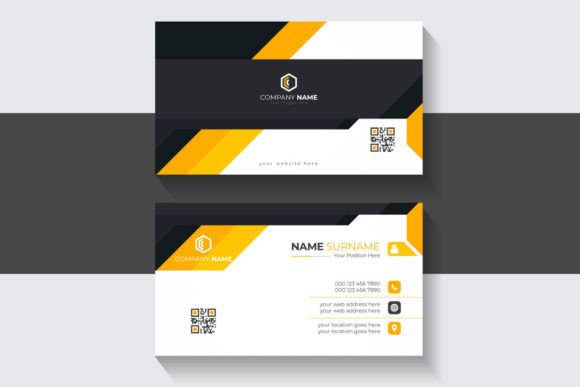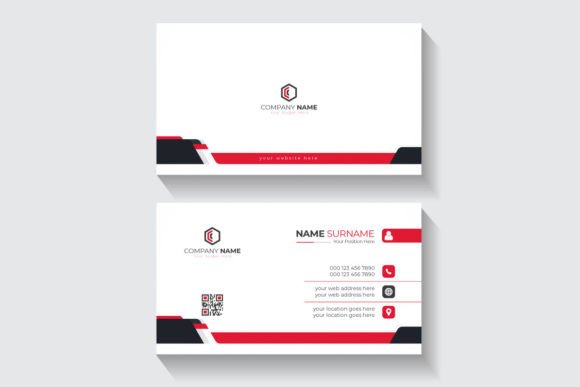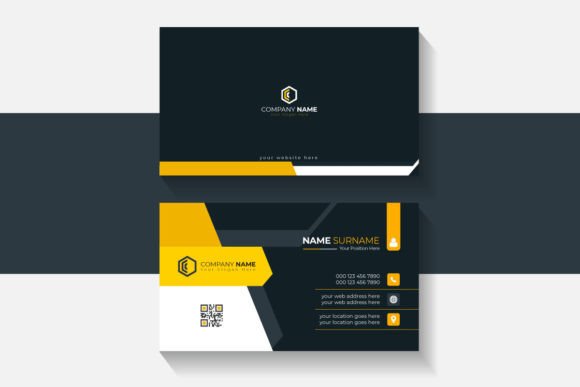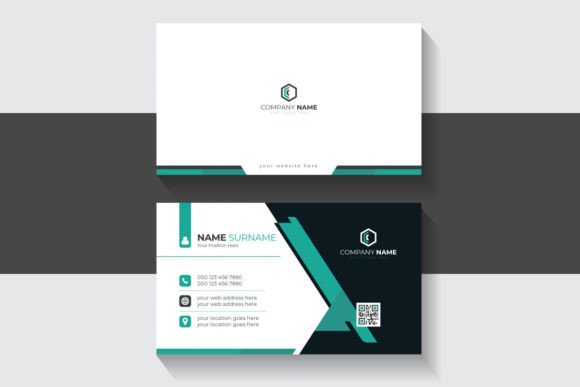
Make a Lasting Impression with a Modern Business Card
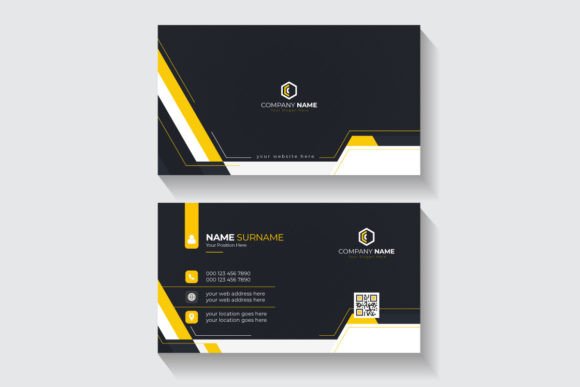
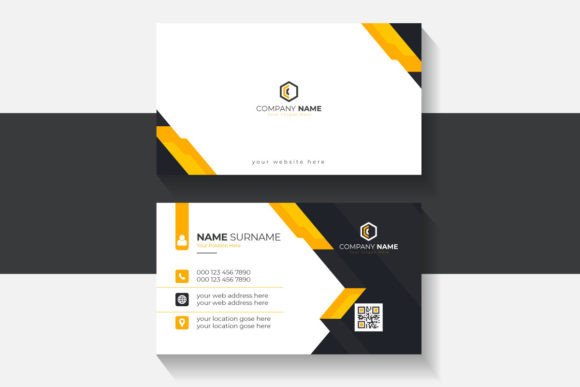
In the digital age, you might wonder if a physical business card still holds weight. The answer is a resounding yes—especially when it’s designed with intention. A Creative and Modern Business Card Design does more than just share contact information; it tells a story, establishes credibility, and creates a tangible connection that a LinkedIn request simply cannot replicate. Think about the last time someone handed you a card that felt unique, textured, or visually striking. You probably remembered them. That’s the power of thoughtful design.
Why a Dark and Orange Palette Commands Attention
Color psychology plays a crucial role in how your brand is perceived. Dark backgrounds—think deep charcoal, navy, or rich black—convey sophistication, authority, and modernity. They provide a powerful canvas that makes other elements pop. When paired with a vibrant accent like orange, the result is dynamic and energetic. Orange evokes feelings of creativity, enthusiasm, and warmth. It’s a color that suggests innovation and approachability. This combination is particularly effective for professionals in creative industries, tech startups, marketing agencies, or any brand that wants to stand out as forward-thinking yet reliable. The contrast ensures your name and title aren’t just seen; they’re remembered.
Beyond the Card: Integrating Your Design Across All Brand Touchpoints
A truly effective brand identity isn’t confined to a single asset. The same visual language that makes your business card compelling should be woven through every customer interaction. The dark and orange scheme, clean lines, and modern typography can seamlessly extend to your other materials, creating a cohesive and professional image.
Consider these practical applications:
- Digital Presence: Use the color palette and design motifs on your website headers, social media profile graphics, and email newsletter templates. Consistency here builds instant recognition.
- Marketing Collateral: Apply the design style to flyers, brochures, and presentation decks. A unified look reinforces your brand’s story during pitches or at trade shows.
- Packaging & Merchandise: If you sell products, your packaging is a silent salesperson. The modern aesthetic can translate beautifully to labels, boxes, and even merchandise like stickers or tote bags.
- Editorial & Digital Products: For bloggers, authors, or course creators, this style can elevate ebook covers, workbook layouts, and social media graphics, making your content feel more premium and trustworthy.
By treating your business card as the starting point of a larger design system, you transform it from a simple contact card into a cornerstone of your brand identity.
Practical Features for Seamless Customization
A design is only as good as its usability. This is where having the right file setup becomes critical. A template that is fully editable saves you hours of frustration and ensures the final product matches your vision perfectly. Look for these key features when sourcing design assets:
- Fully Editable Files: This means every element—text, colors, shapes, and logos—can be modified. You should be able to change the name, contact details, and even swap out the orange for another accent color if your brand evolves.
- Professional File Formats: Illustrator EPS files are the industry standard for vector graphics. They allow for infinite scaling without losing quality, meaning your design will look crisp whether printed on a standard card or enlarged for a poster.
- Optimized Color Mode: While RGB is essential for digital screens (websites, social media), ensure the template can be easily converted to CMYK for professional printing. This prevents color shifts and ensures what you see on screen is what you get in print.
- Clear Typography: The use of a free, modern font is a major plus. It removes licensing headaches and often provides a clean, readable typeface that works well for both headings and smaller contact information.
Having these design assets at your fingertips empowers you to maintain visual consistency across all your projects without needing advanced software skills.
Choosing and Pairing Fonts for Maximum Impact
Typography is the voice of your design. For a modern business card, the font choice must balance personality with clarity. A clean sans-serif font is often the hero here—it’s legible at small sizes, feels contemporary, and pairs well with bold graphic elements like your dark background and orange accents.
When selecting or pairing fonts for your broader brand, keep these points in mind:
- Prioritize Readability: The most beautiful font is useless if people can’t read your name or phone number. Test printouts at actual size. Does the text remain clear?
- Establish Hierarchy: Use font weight (bold, regular, light) and size to guide the viewer’s eye. Your name should be the most prominent, followed by your title, then contact details.
- Limit Your Palette: Sticking to one or two font families (e.g., a sans-serif for everything and a complementary serif for a tagline) creates a sophisticated, uncluttered look.
- Consider the Mood: A geometric sans-serif feels techy and precise. A humanist sans-serif feels warmer and more approachable. Choose one that aligns with your brand’s personality.
Remember, the goal of modern typography in this context is to support the overall design, not compete with it. The font should feel like an integral part of the visual experience.
From Template to Tangible Asset: Your Next Steps
You have the concept and the tools. Now, it’s about execution. Start by customizing the template with your specific information. Don’t just fill in the blanks—think about the hierarchy of information. What’s the one thing you want someone to remember? Make that the visual focal point.
Before sending it to print, get a second opinion. Show the digital mockup to a friend or colleague. Is the information easy to find? Does the color combination feel right? Sometimes, a fresh pair of eyes catches what you’ve overlooked.
Finally, think beyond the first print run. A Creative and Modern Business Card Design is a living document. As your business grows, you might update your title, add a website, or refresh the accent color. Because the files are fully editable, you can evolve your design alongside your brand, ensuring your first impression always feels current and intentional. In a world of fleeting digital interactions, a well-crafted card is a powerful, lasting handshake.