Designing Effective School Admission Social Media Posts
Every spring, the same frantic energy sweeps through school administrators and parents alike: the admission season. For schools, it's a critical window to showcase their environment, values, and community. For designers and marketers tasked with promoting these institutions, the challenge is creating social media posts that cut through the noise of a crowded feed. A well-designed template isn't just a time-saver; it's the foundation for consistent, professional communication that builds trust and drives inquiries. The right visual asset transforms a simple announcement into an engaging story about a child's future.
The Anatomy of a High-Impact School Post
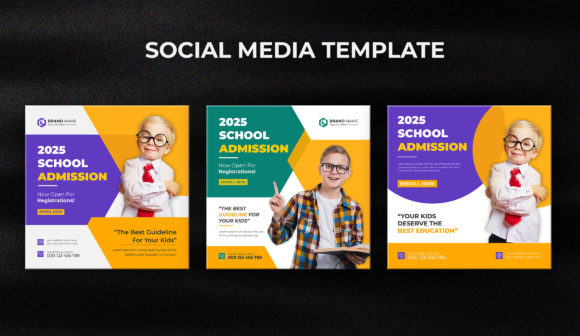
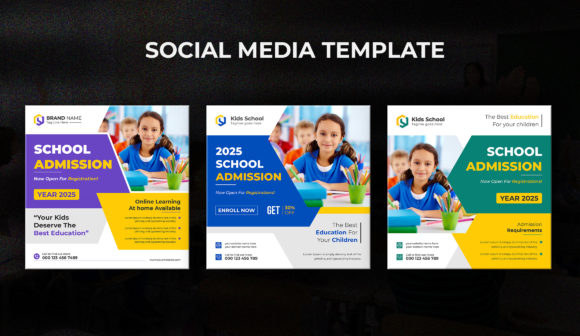
What separates a forgettable post from one that stops the scroll? It starts with a clean, organized layout that prioritizes clarity. A successful Kids School Admission Social Media Post template balances essential information with inviting visuals. Think of it as a digital welcome mat. It needs to present key details—application deadlines, open house dates, contact information—in a hierarchy that's immediately understandable. The visual style should reflect the school's personality: playful and colorful for an elementary school, structured and professional for a high school. This isn't about generic stock photos; it's about creating a visual identity that parents and students can connect with.
Customization is where the real work happens. A robust template provides the structure, but the details must be tailored. This means easily editable text fields for school names and dates, customizable color palettes to match brand guidelines, and logical layers for adding photos of your actual campus, students, and events. The goal is to produce a series of posts that feel both cohesive and authentic. When a parent sees your post, they shouldn't just read an announcement; they should get a glimpse of the community you've built.
From Template to Tangible Brand Assets
While the primary function is social media graphics, a versatile template system offers far more value. The core design elements—a specific color scheme, a consistent typographic style, a recognizable graphic motif—can be extracted and applied across a wide range of brand identity materials. This creates the visual consistency that is crucial for brand recognition. The same design language used in a Facebook post can inform the layout of a printed brochure, the signage for an open house, or the email newsletter sent to prospective families.
Consider the practical applications beyond the initial post:
- Print Materials: Adapt the template for flyers, posters, and invitation cards for school events.
- Digital Products: Use the style for downloadable application checklists, virtual tour guides, or welcome packets for new families.
- Marketing Assets: Create a suite of graphics for Instagram Stories, carousel posts detailing curriculum highlights, or Twitter-sized announcements.
- Editorial Design: Apply the typographic hierarchy and color accents to the school blog or annual report, ensuring a unified look across all communications.
This approach turns a single social media asset into a cornerstone of a broader design assets library. It ensures that every touchpoint, whether digital or physical, reinforces the same message and aesthetic, which is fundamental to building a strong institutional brand.
Practical Guidance for Designers and Marketers
If you're working with a template like this, your role shifts from creation to curation and customization. Here’s how to maximize its potential:
Match Typography to Tone. The font choices in a template set the initial mood. However, you must ensure they align with the school's existing brand. A template might use a friendly, rounded sans serif font for body text, which is excellent for readability on screens. You might pair it with a more distinctive display font or a warm script font for headlines to add personality. Always test font pairing to see if the combination feels harmonious and communicates the right emotion—approachable, academic, innovative, or traditional.
Prioritize Clarity Over Clutter. It's tempting to fill every pixel with information. Resist. A clean layout with ample white space directs the viewer's eye to the most critical elements: the value proposition (what makes your school special?) and the call to action (how to apply or learn more). Use the template's structure to guide this hierarchy.
Customize with Authentic Content. The note "images are not included" is a feature, not a limitation. It forces you to use authentic photography or video of your school. A candid shot of students in a science lab or a teacher reading aloud in the library will always outperform a generic stock image. This authenticity builds trust and audience engagement.
Review Licensing for Commercial Use. Since schools are commercial entities, any asset used for promotion must have the correct license. A template designed for commercial use is essential. This is a non-negotiable part of the professional presentation and avoids legal headaches down the road.
Building a Cohesive Visual Narrative
The ultimate goal of an admission campaign is to tell a compelling story. A well-executed social media post is the opening chapter. By using a customizable template as your starting point, you ensure that every piece of communication—from the first Instagram post to the final acceptance letter—feels like part of the same story. It’s about creating a seamless journey for the prospective family, where every visual cue reinforces your school's unique identity and values. This consistency doesn't just look professional; it builds confidence and makes your institution more memorable in a competitive landscape. When your design assets work in concert, your message is not only seen but felt.