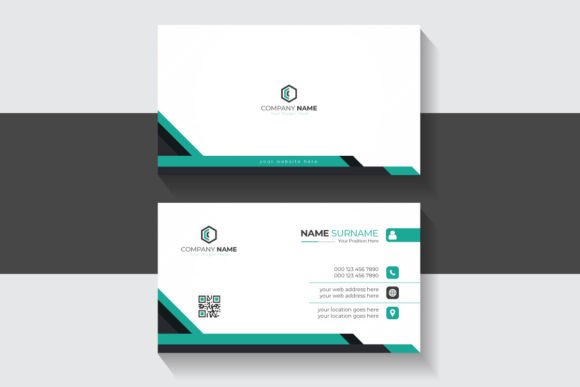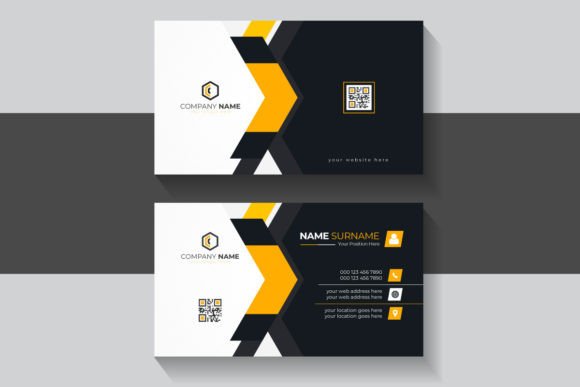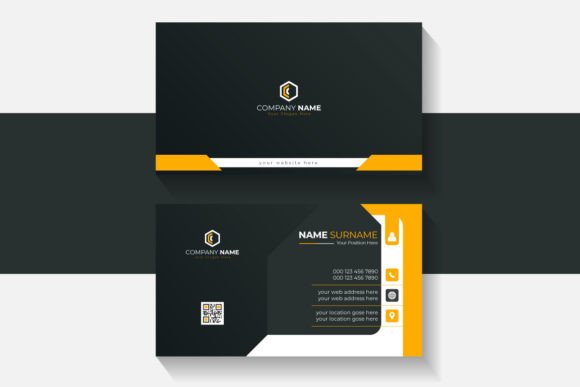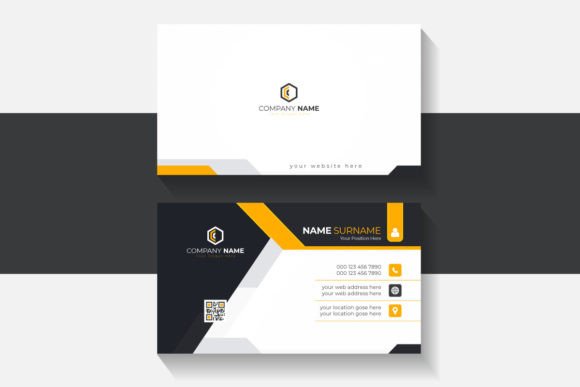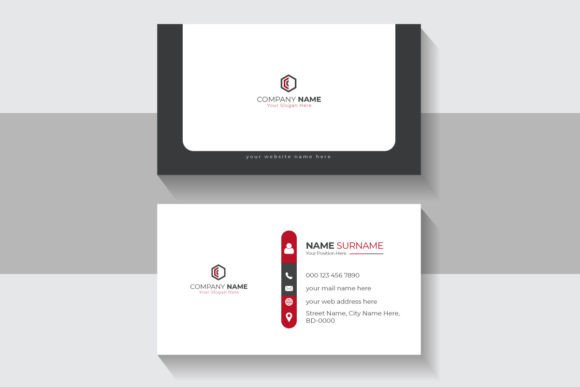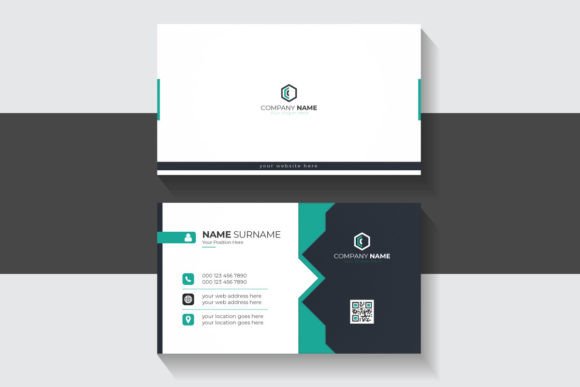
Why a Creative Vector Business Card Design Matters
In a world saturated with digital noise, a tangible, well-designed business card remains one of the most powerful tools for making a lasting impression. It’s not just a piece of paper with contact information; it's a physical handshake, a brand ambassador you leave behind. For designers, entrepreneurs, and small business owners, the challenge is creating a card that feels both professional and uniquely memorable without spending countless hours starting from scratch. This is where a thoughtfully crafted template, like a creative vector business card, becomes an invaluable asset, providing a polished foundation that you can truly make your own.
Beyond the Template: A Foundation for Your Brand
A high-quality vector business card template is more than just a pre-made design. It’s a strategic starting point. The term "vector" is key here—it means the artwork is created using mathematical paths rather than pixels. This allows you to scale every element, from intricate logos to fine typography, to any size without losing a shred of clarity. Whether you're printing standard 3.5 x 2-inch cards or a large-format poster for an event, the design remains crisp and professional. This scalability is fundamental for maintaining a consistent brand identity across all your materials, from your website to your packaging.
The real value of a template like this lies in its editability. With fully editable files included, such as Illustrator EPS files and high-quality images, you have complete control. You're not locked into a color scheme or a specific font. You can adjust every object, color, and line of text to align perfectly with your brand’s existing style guide. This flexibility transforms the template from a static image into a dynamic design asset, saving you time while ensuring your final product is a true reflection of your business.
Practical Applications for the Modern Creator
While the primary output is a business card, the design elements within a creative vector template have a much broader utility. Think of it as a mini brand kit. The cohesive visual language you establish for your card can and should extend to other touchpoints to build recognition and trust.
Here’s how you can leverage these design assets across various projects:
- Social Media Graphics: Use the color palette, graphic motifs, and typography style to create cohesive Instagram posts, Facebook covers, or Pinterest pins that feel instantly recognizable as your brand.
- Digital Products & Marketing: Apply the design elements to email newsletter headers, digital brochure layouts, or webinar slide decks. This creates a seamless experience for your audience, whether they’re holding your card or viewing your presentation.
- Packaging & Merchandise: The clean, professional aesthetic translates beautifully to product labels, hang tags, or even simple stickers. Consistency in packaging design significantly boosts perceived value and brand recall.
- Print Collateral: Extend the look to letterheads, thank-you notes, invoices, and appointment cards. This reinforces your professional image in every piece of correspondence.
For a content creator or a small business owner, this approach means you’re not designing in isolation. Your business card becomes the cornerstone of a visual system that communicates your brand’s story consistently, no matter where your audience encounters it.
Design Considerations for Maximum Impact
Having a great template is the first step. Customizing it effectively is what makes it work. Here are some practical tips to ensure your final design achieves its goals:
- Font Pairing with Purpose: The template likely uses a free font, which is a huge plus for commercial projects. However, don’t just stick with the default. Review the included font styles and consider if they match your brand’s personality. A modern sans-serif font conveys clarity and innovation, while a classic serif might suggest tradition and reliability. Pair a bold display font for your name with a clean, readable sans-serif for contact details. Always test how the fonts look at small sizes to ensure readability.
- Color Psychology in Practice: The template is provided in RGB color mode, optimized for digital screens. For print, you’ll need to convert to CMYK, but the RGB palette gives you a vibrant starting point. Choose colors that not only look good but also evoke the right emotions. A finance consultant might opt for blues and grays (trust, stability), while a wellness coach could use earthy greens and creams (calm, growth).
- Layout for Clarity: A professional and clean file structure is your best friend here. Resist the urge to overcrowd the design. Use the existing grid and spacing as a guide. Ensure there is ample white space (negative space) around key elements like your logo and contact information. This isn’t just about aesthetics; it’s about functionality, making sure the most important details are easy to find at a glance.
From Digital File to Handheld Brand Statement
Ultimately, the goal is to create a business card that someone doesn’t want to throw away. It should feel intentional and valuable. By starting with a robust, editable vector template, you bypass the most time-consuming part of the design process—the structural groundwork—and can focus immediately on the creative, brand-specific customization.
This approach is particularly empowering for entrepreneurs and hobbyists who may not have advanced design skills but have a clear vision for their brand. The included professional files provide a safety net, ensuring the technical quality of the output is high, while the editable nature allows for personal expression. It’s about having the right tools to bring your unique brand identity to life in a tangible, memorable way. The next time you hand someone your card, it won’t just share your email; it will tell a piece of your brand’s story before you even say a word.