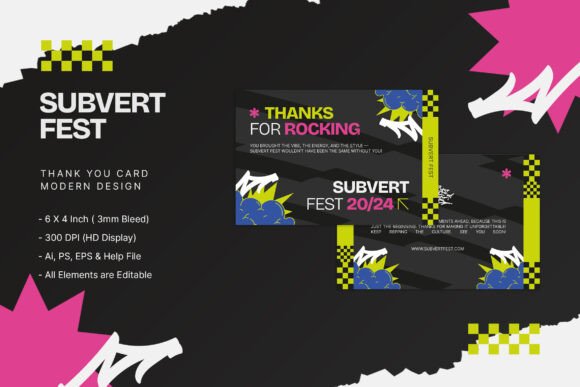
The Subvert Fest Thank You Card: A Designer's Guide to Elegant Gratitude
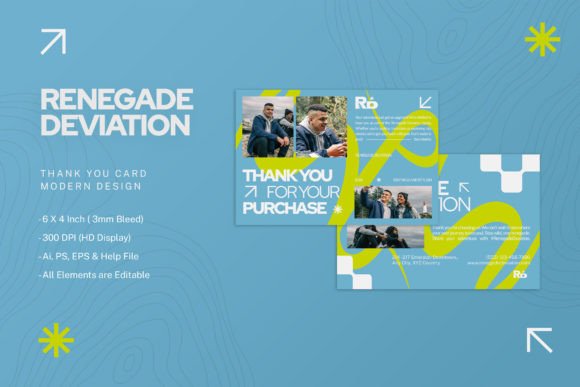
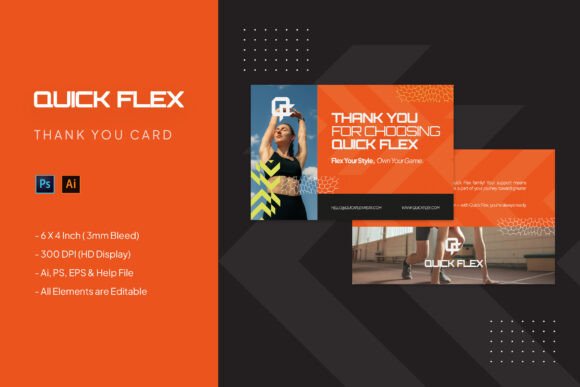
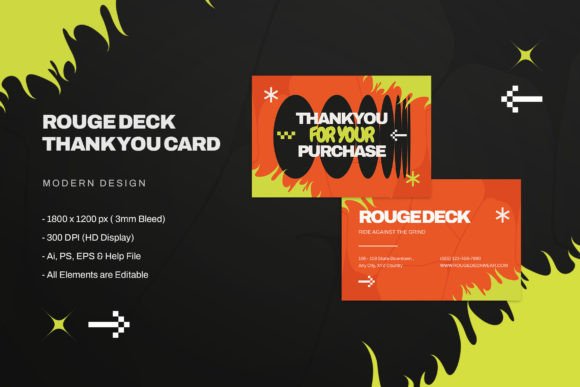
There’s a particular kind of magic in a well-executed thank you. It’s more than a social nicety; in the world of branding and design, it’s a final, powerful touchpoint. It’s the moment a customer unwraps their purchase and finds a note that feels considered, the closing slide in a presentation that leaves a lasting impression, or the post-purchase email that transforms a transaction into a relationship. But conveying that sincerity with visual polish can be a challenge. You need a design asset that speaks the language of elegance without saying a word, one that balances sophistication with approachability. This is precisely the space where the Subvert Fest thank you card template excels, offering a refined starting point for countless expressions of appreciation.
More Than Just a Card: A Foundation for Brand Voice
At first glance, it’s a sophisticated template. But its true value lies in its role as a foundational brand asset. The design’s clean lines and balanced composition provide a neutral yet polished canvas. For a small business owner, this means you can quickly adapt it to reflect your specific brand identity. Swap out the colors for your palette, place your logo with intention, and instantly, you have a piece of marketing collateral that feels cohesive and professional. It’s not about using a generic template; it’s about leveraging a well-structured design system to maintain visual consistency across every customer interaction, from packaging inserts to digital receipts.
The included file formats—AI, EPS, and PSD—speak directly to this need for flexibility. A designer working in Illustrator can manipulate every vector point, while a marketer comfortable in Photoshop can make swift edits to layers and text. The CMYK color mode and inclusion of bleed marks are thoughtful details that signal this is a tool built for real-world print production, removing guesswork and ensuring your final printed piece looks exactly as intended. This attention to production-ready details is what separates a hobbyist project from a professional brand touchpoint.
Unlocking Creative Applications Across Platforms
Thinking of this asset solely as a physical card limits its potential. Its elegant aesthetic and scalable vector formats make it a versatile player in a much larger design ecosystem. Consider these practical applications:
- Elevated Social Media Graphics: Use the design as a background or a frame for a thank you message on Instagram Stories or Facebook posts. The sophisticated style helps your message of gratitude stand out in a crowded feed, boosting audience engagement through visual quality.
- Website and Blog Enhancements: Integrate the design elements into a website’s thank you page after a form submission or purchase. It adds a layer of professionalism and care to the user experience, reinforcing brand recognition at a critical moment.
- Packaging and Merchandise: Beyond a standalone card, the design can be adapted for hang tags, sticker sheets, or even the interior print of a shipping box. This creates a memorable unboxing experience that customers are likely to share, extending your brand’s reach organically.
- Digital Product Inclusions: For creators selling digital downloads—like templates, presets, or ebooks—a beautifully designed thank you page or a bonus printable card adds perceived value and strengthens the creator-audience bond.
- Editorial and Marketing Assets: The layout can inspire the design of a full-page ad in a magazine, a flyer for a local event, or the closing slide of a webinar presentation, ensuring a consistent and professional presentation across all marketing assets.
The key is to see the template not as a finished product, but as a set of design principles—balance, hierarchy, and elegance—that can be applied to solve various communication challenges.
The Art of Pairing and Practical Considerations
A template’s effectiveness often hinges on the typography chosen to complement it. The Subvert Fest template utilizes a free font, which is a significant practical benefit, especially for startups and independent creators managing budgets. However, the real skill lies in making intentional typographic choices. If you decide to introduce additional fonts for headlines or body text, the goal is harmony, not competition.
Start by identifying the personality of the template’s existing typeface. Is it a modern serif with classic roots? A clean sans-serif with geometric tendencies? Understanding this helps guide your pairing. A general rule is to create contrast: pair a detailed serif with a simple sans-serif, or a flowing script with a sturdy, neutral font for readability. Always test your pairings in context. Does the text remain legible at small sizes, like on a business card? Does it hold its presence when scaled up for a poster? Reviewing the included font styles and weights within the template file is your first step—leverage what’s already provided before seeking external options.
Finally, while the template itself is a design asset, remember that the use of the final design for commercial purposes may involve separate licensing considerations for any new fonts or imagery you incorporate. Always verify that your chosen fonts are licensed for your intended use, whether for a client project, merchandise for sale, or widespread digital distribution. This due diligence protects your work and your business, ensuring your professional presentation is built on a solid legal foundation.
In the end, the most powerful designs are those that feel effortless. The Subvert Fest thank you card template provides that effortless elegance, giving you the tools to express gratitude in a way that aligns with your brand’s visual language and deepens your connection with your audience. It’s a reminder that in design, the smallest details often make the most significant impact.