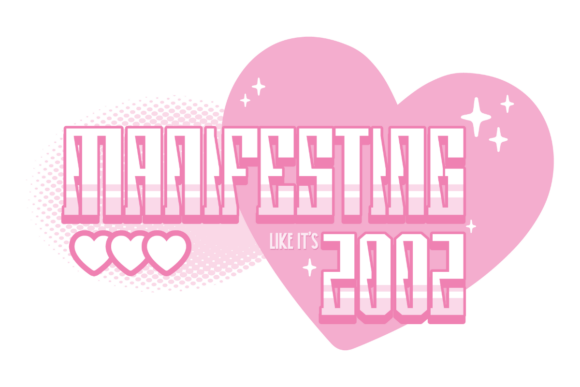
Manifesting Like It's 2002: A Y2K-Pink Dream for Modern Creators
There’s a certain magic to the early 2000s aesthetic—a blend of optimistic futurism and unapologetic, playful femininity. It’s the sound of a dial-up modem connecting, the sight of a frosted pink flip phone, and the feeling that digital dreams were just beginning to sparkle. This nostalgia isn’t just a memory; it’s a powerful visual language, and the 2002 Manifesting design captures it perfectly. Imagine a Y2K-pink palette, chunky pixel-style block letters spelling out “Manifesting Like It’s 2002,” all surrounded by glinting sparkles and soft hearts. It’s more than a graphic; it’s a mood, a statement, and a surprisingly versatile design asset for today’s creative landscape.
The Visual Appeal of a Y2K-Pink Aesthetic
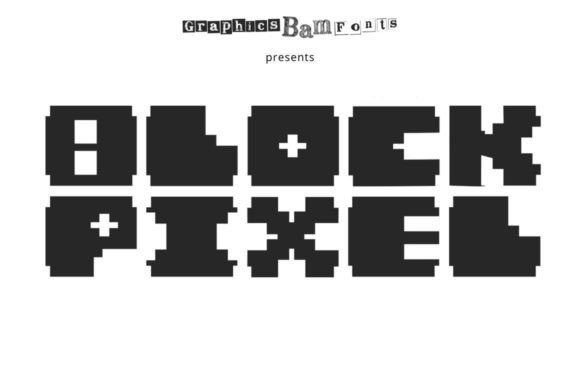
What makes this particular style so enduringly appealing? It operates on a few key levels. The pixel-style block font is a direct nod to early computer graphics and video game typography, evoking a sense of digital nostalgia and DIY charm. It’s inherently readable at a glance, making it a fantastic display font for headlines and branding elements that need to make an instant impact. The color scheme—often a spectrum of bubblegum pink, soft lavender, and icy white—feels both retro and surprisingly fresh. When combined with the sparkles and hearts, the design achieves a balance: it’s playful and whimsical, yet the bold typography gives it a confident, almost declarative edge. This isn’t shy minimalism; it’s a joyful, maximalist statement.
For a brand identity or personal project, this aesthetic communicates specific values. It speaks to a audience that values creativity, optimism, and a touch of retro rebellion. It’s perfect for projects that aim to feel accessible, fun, and digitally native. Think of a small business selling handmade jewelry, a podcast about pop culture, or a personal blog focused on creative journaling. The visual style instantly builds a connection with viewers who recognize and appreciate that early-2000s flair, establishing an immediate sense of shared culture and taste.
Practical Applications: From Pixels to Products
The true power of a design like 2002 Manifesting lies in its adaptability. Available in high-quality PNG and SVG formats, it transitions seamlessly from digital screens to physical merchandise, making it a valuable piece of your design assets toolkit.
- Digital Branding & Social Media: This graphic is a powerhouse for social content. Use it as a bold Instagram story background, a pinned tweet graphic, or a TikTok video overlay. For a brand identity, it can serve as the centerpiece for a logo lockup or as a recurring visual motif across your social media graphics. It’s particularly effective for marketing assets like email headers or digital product covers, where a strong visual hook is crucial for engagement.
- Editorial & Web Design: In editorial design or web design, this style can break the monotony of standard layouts. Imagine it as a featured image for a blog post about goal-setting, a section divider in an online magazine, or a dynamic header for a landing page. Its high-contrast, pixelated nature ensures it remains impactful even when scaled, a key consideration for responsive web design.
- Print & Physical Merchandise: This is where the design truly shines. Its bold, simplified lines translate beautifully to print. Think beyond the obvious tote bag or tee. Consider it for packaging design—on sticker sheets, tissue paper, or box inserts for a cosmetics brand. It’s ideal for posters, invitations to a themed party, or the cover of a journal or notebook. For entrepreneurs, printing it on merchandise can create a cohesive and recognizable product line that resonates with a specific niche audience.
Integrating the Aesthetic: Tips for Cohesive Design
Using a distinctive graphic like this effectively requires a bit of strategy. The goal is to harness its energy without letting it overwhelm your entire project. Here’s how to integrate it thoughtfully.
First, consider your font pairings. The pixel block font is a statement maker. Pair it with a clean, simple sans serif font for body text to ensure readability and create a visual hierarchy. A neutral, modern serif font could also work for a more sophisticated contrast. The key is to let the 2002 Manifesting design be the star of the show in headlines or focal points, supported by quieter typography elsewhere.
Second, extend the color palette beyond the graphic itself. Pull the core Y2K-pink, lavender, and sparkle colors from the design and use them as your brand’s secondary palette. This could be for button colors on a website, backgrounds in presentations, or pattern fills in other graphics. This creates visual consistency across all your materials, strengthening brand recognition without needing to use the full graphic every single time.
Third, test for readability and context. While the design is bold, always check its legibility at the size and in the context it will be used. On a busy photo background, you might need to place it within a semi-transparent color block. For small applications like a favicon or tiny social icon, the detailed sparkles might get lost; in such cases, you might use a simplified version or just the core text element. Always preview your designs at multiple sizes.
Beyond the Nostalgia: Building a Recognizable Brand
Ultimately, incorporating a style like 2002 Manifesting is about more than just jumping on a trend. It’s about making a deliberate choice to communicate a specific personality and connect with a like-minded audience. In a crowded digital space, a strong, consistent visual language is what helps people remember you. This aesthetic, with its blend of retro tech and heartfelt optimism, offers a unique niche. It can help a creative entrepreneur or content creator stand out, signal their community, and create a memorable experience for their audience.
Whether you’re a designer crafting a client’s logo design, a small business owner developing product packaging, or a hobbyist personalizing your digital space, this design provides a ready-made foundation of character and charm. It’s a tool for storytelling—a way to say, “We believe in big dreams, digital magic, and having a little fun along the way.” So, grab those sparkles, embrace the pink, and start manifesting your next creative project with a healthy dose of early-2000s flair. The possibilities, much like the internet back then, feel wonderfully endless.