Black Pixel Text: Editable Font Effect for Modern Design
There's a certain digital grit that catches the eye—a texture that feels both nostalgic and hyper-modern. You see it on concert posters, gaming stream overlays, and the branding for tech startups that want to feel accessible yet edgy. It’s that controlled, blocky aesthetic that says, "We're built with precision." But achieving that look without spending hours manually adjusting anchor points or settling for a static, un-editable image file is a common frustration. What if you could get that sharp, digital texture with the flexibility of live, editable text?
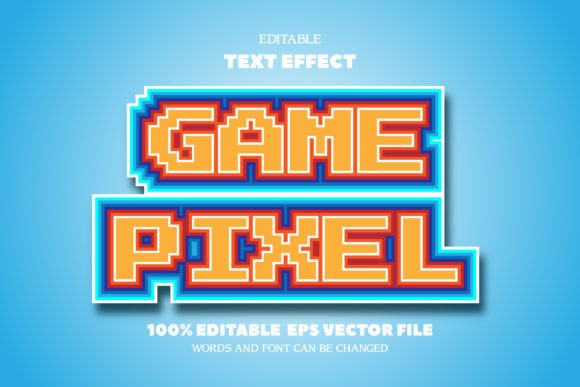
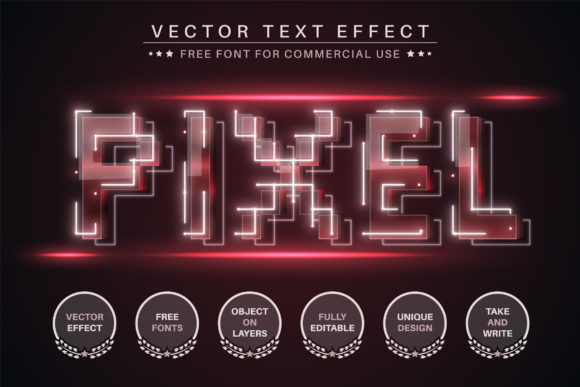
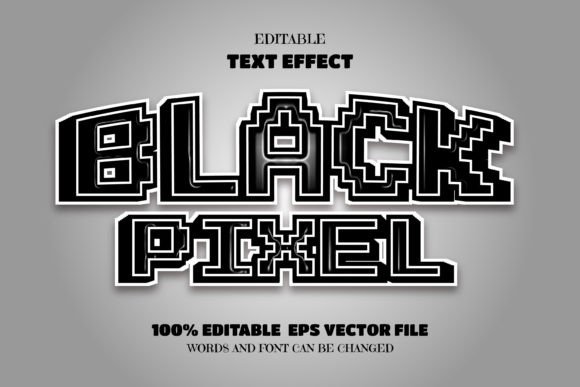
That’s the core appeal of a well-crafted text effect. It’s not just a font; it’s a style applied to your words, giving them dimension, texture, and personality instantly. The Black Pixel Text, Editable Font Effect is exactly this kind of design asset. It’s a fully editable Adobe Illustrator vector file that transforms your typed words into a striking pixel-art style presentation. Think of it as a filter for your typography, but one you can completely control. You type your message, and it immediately adopts that distinct, blocky, black pixel character. The real power, however, lies in its editability. Because it’s a vector-based effect, you can scale your headline to the side of a billboard or shrink it for a mobile app icon without a single pixel becoming blurry. You’re not stuck with the words that came in the template. You simply click, type your own headline, and the effect applies seamlessly.
Where This Digital Texture Truly Shines
So, where does this kind of visual tool fit into real projects? Its strength is in its specificity. This isn't a universal serif or a friendly script; it's a display font effect with a strong point of view. That makes it perfect for projects that need to make an immediate, memorable impression in specific contexts.
For branding and logo design, especially for companies in gaming, tech, music, or creative software, this effect can become a foundational visual element. Imagine a podcast logo or a YouTube channel banner where the show title has this textured, pixelated feel. It instantly communicates a niche and a vibe. It’s a fantastic way to build brand recognition because the style is so distinctive. Your audience will learn to associate that visual language with your content.
In social media graphics, stopping the scroll is everything. A bold, textured headline for an Instagram announcement, a Facebook event cover, or a Twitter post using the Black Pixel Text effect can stand out in a feed full of smooth, clean typography. It adds a layer of visual interest that flat text often can’t achieve. The same principle applies to digital products and marketing assets. Think about the cover of an e-book, the title slide for an online course, or a promotional banner for a digital download. This effect gives them a polished, professional edge that elevates perceived value.
Beyond the Screen: Tangible Applications
The utility of this vector-based effect extends far beyond digital spaces. Because it’s scalable, it’s a powerhouse for print materials. Consider packaging design for a new line of tech accessories or specialty coffee—using this text effect for the product name can create a shelf presence that feels both modern and tactile. For posters, whether for a local music festival, a gaming tournament, or a gallery show, the effect provides a built-in visual theme. It does half the design work for you by establishing the mood instantly.
Even invitations and editorial layouts can benefit. An invitation to a retro-arcade-themed birthday party or a tech product launch becomes infinitely more engaging with this styled text. In a magazine or blog layout, using it for pull quotes or section headers can break up long blocks of copy and guide the reader’s eye with a jolt of visual energy.
Making It Work: Practical Design Considerations
Adopting a strong stylistic element like this requires a bit of strategy. The first rule is context. This pixelated effect is a display font style, meaning it’s designed for headlines, logos, and short bursts of text—not for writing your entire paragraph. Its strength is in its impact at larger sizes. Using it for body copy would quickly become illegible and overwhelming.
This leads directly to readability. Always test your design at the intended size. A headline that looks clear on your 27-inch monitor might become a dark, undecipherable block when viewed on a phone screen. Ensure the pixel forms are distinct enough to read quickly.
Font pairing is crucial. To let the Black Pixel Text effect have its moment, pair it with a simple, clean sans serif font or a minimalist serif font for any supporting text. A complex script font or another highly decorative typeface would create visual competition and clutter. The goal is contrast, not conflict. Let the textured headline be the star, and use a neutral body font to deliver the supporting information clearly.
Finally, always be mindful of commercial licensing. If you’re using this asset for client work or merchandise you plan to sell, verify that the license permits such use. A reputable asset like this should come with clear licensing terms, allowing you to use it confidently in your creative projects without legal ambiguity.
In the end, the right design asset doesn’t just decorate; it communicates. It helps build a visual consistency across your projects, making your work look more cohesive and professional. This particular effect offers a bridge between the raw, digital grid and polished, editable design. It’s a tool for creators who want to inject a specific kind of energy into their work—the energy of the pixel, controlled and crafted for your message. Whether you’re building a brand identity from scratch or looking to refresh your marketing assets, having a flexible, high-quality effect like this in your toolkit means you’re always just a few clicks away from a headline that truly resonates.